The Legend of Zelda's Most Underutilized Heroes: A Plea for the Korok Renaissance
In the sprawling, breathtaking expanse of Hyrule as reimagined for the modern era, one truth remains as constant as the blood moon's rise: the Koroks are criminally underused! The Legend of Zelda: Tears of the Kingdom was a monumental leap forward, offering players the dizzying heights of the Sky Islands and the eerie, lightless chasms of the Depths. Its storytelling felt richer, its challenges more intricate. Yet, for all its glorious innovation, it clung to one antiquated relic from its predecessor—the tragic reduction of the charming, lore-rich Korok people to mere collectible dispensers for inventory expansion. It's a narrative sin of omission that future games must rectify with the urgency of a Lynel charge!
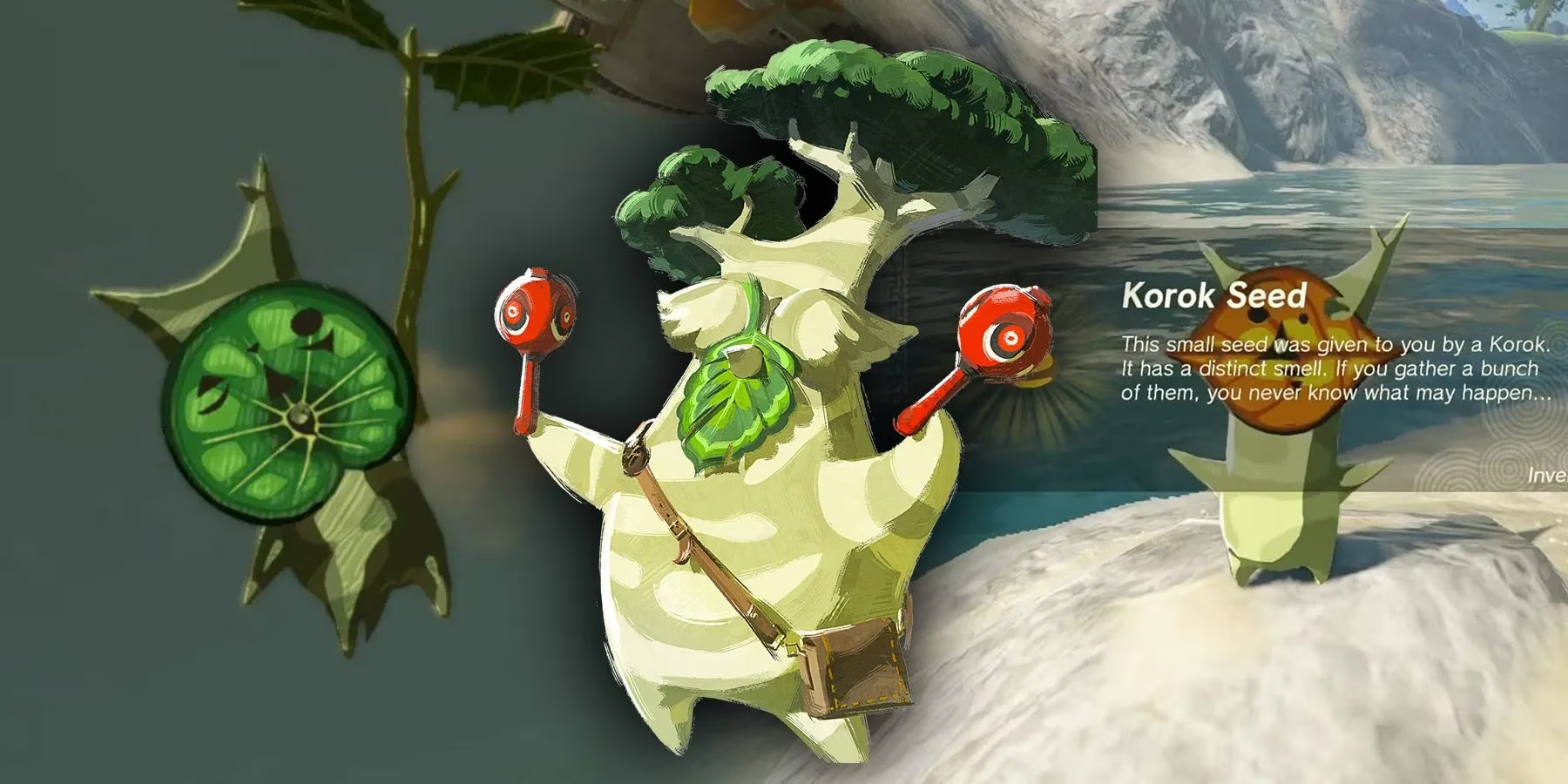
The core gameplay loop of finding hundreds of these little leafy creatures to appease the maraca-shaking Hestu is, admittedly, a functional mechanic. Who doesn't want more slots for those deliciously fragile Royal Broadswords or pristine Zora Shields? But reducing an entire race to a glorified keychain factory is a creative travesty! 😱 Consider their glorious history: they are the evolved descendants of the Kokiri from Ocarina of Time, a people who transformed their very bodies to survive the Great Sea in The Wind Waker. In that classic title, they weren't hidden under rocks; they were central to the plot, hosting sacred ceremonies with the Great Deku Tree and even providing a Sage! The Korok Makar wasn't just a seed; he was the Sage of Wind, a heroic companion who aided Link in the Wind Temple. The contrast with their modern role is... depressing.
Where is their culture? Their society? Their interactions with the other peoples of Hyrule? In Tears of the Kingdom, outside of Hestu's stationary dance party at Lookout Landing, they are spectral, isolated entities. The vibrant cultural tapestry of the Zora, the proud traditions of the Gerudo, the hearty craftsmanship of the Gorons—these races feel alive. The Koroks? They feel like props. Future titles have a golden opportunity to weave them into the world's social fabric. Imagine a quest line where Link helps mediate a trade dispute between Korok foragers and Rito hunters, or participates in a whimsical, secret Korok festival deep within a forgotten forest. The potential for enriching Hyrule's living, breathing world is immense and utterly wasted at present.
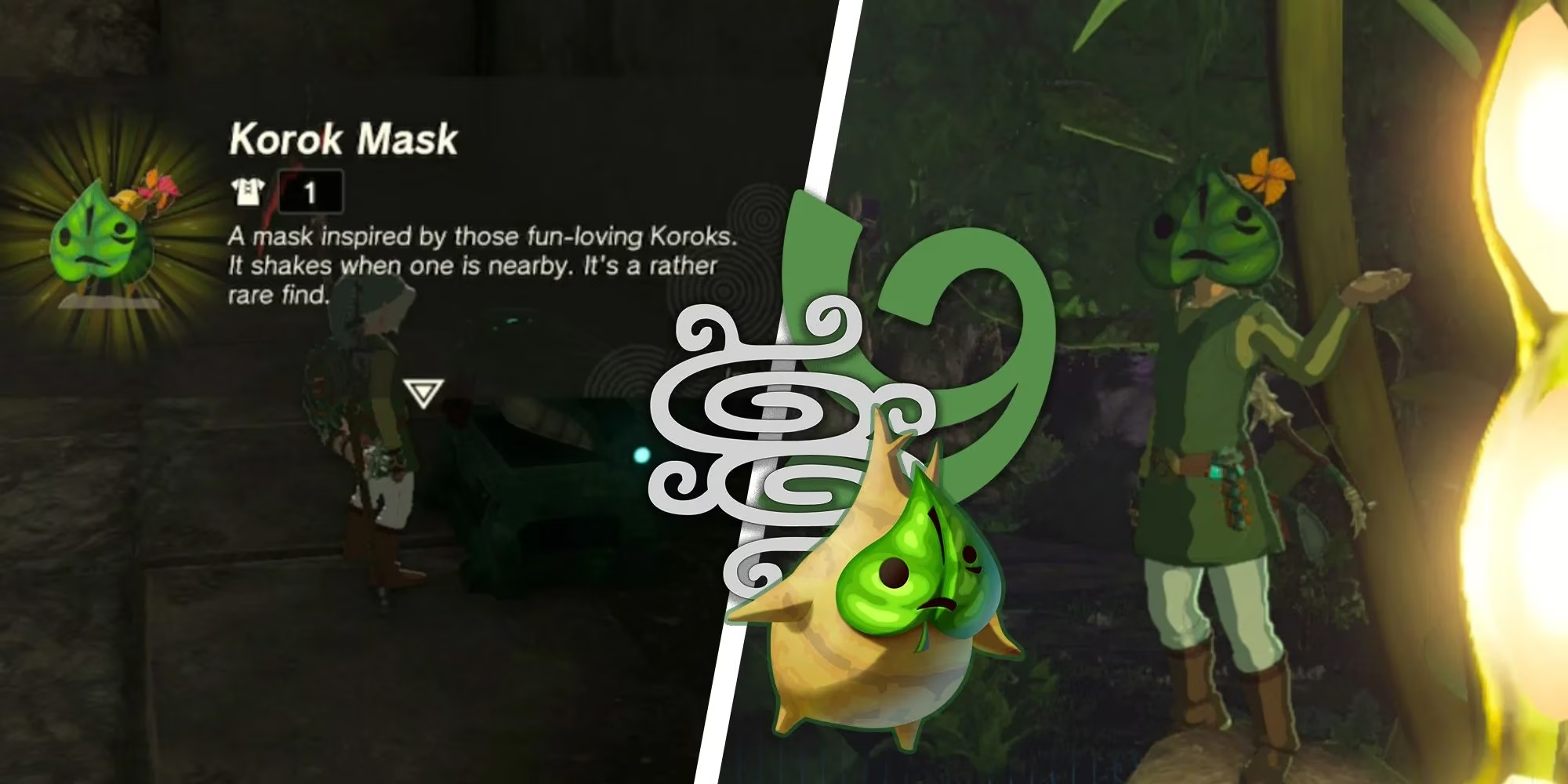
Let's be clear: the next Zelda adventure, whatever form it takes in 2026 and beyond, doesn't need to make a Korok the central protagonist (though the idea has a certain chaotic charm). It simply needs to grant them the narrative dignity they deserve. Their introverted, mysterious nature is part of their appeal, but mystery should not equate to irrelevance. They could be guardians of ancient, forest-based magic, historians of the world before the Calamity, or masters of a unique crafting system using natural materials. The possibilities are as numerous as the seeds they currently hide! 🍃
-
Potential for Korok Integration:
-
Cultural Ambassadors: Show them trading rare forest goods in villages.
-
Dungeon Guides: Have a Korok companion provide cryptic, nature-based hints in a forest temple.
-
Story Catalysts: Let their unique connection to the Great Deku Tree unveil critical plot points about the land's history or future threats.
-
It's time for the series to evolve beyond the 'find-the-Korok' checklist. The foundation laid by Breath of the Wild and expanded in Tears of the Kingdom is a masterpiece of open-world design. Now, the next logical, essential step is to populate that world with all its inhabitants in a meaningful, interconnected way. The Koroks have been patient, hiding under rocks and inside tree stumps for our benefit. The year is 2026. The gaming world demands more. It's finally time to give the Koroks their long-overdue flowers—and not just the ones they mysteriously carry on their backs.
Comments