Tears of the Kingdom’s Hylian Hood Shows How Small Design Flaws Waste Player Time
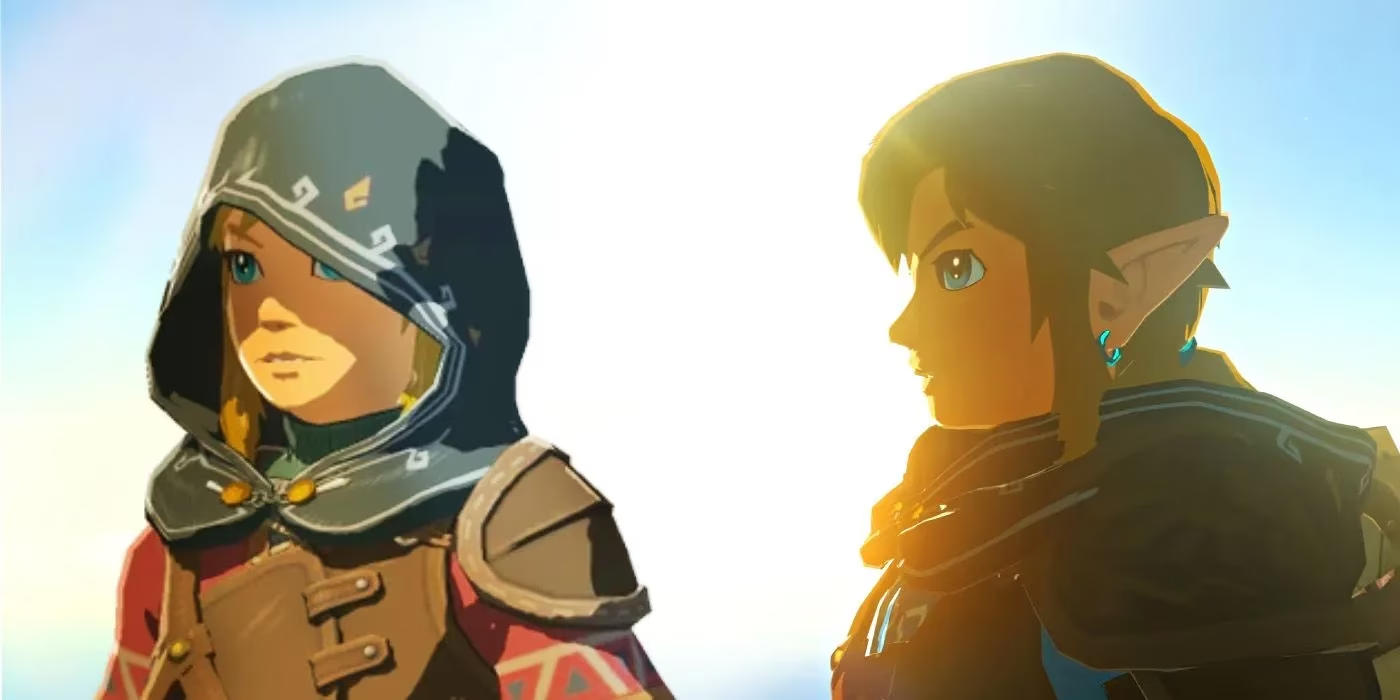
In The Legend of Zelda: Tears of the Kingdom, the Hylian Hood looks like a simple piece of early armor. But ask anyone who has tried to flip it down for a better view of Link’s face, and they will likely describe a small chore that mirrors the game’s biggest frustration. TOTK is undeniably massive, with a rebuilt Hyrule, new abilities, more enemies, and dozens of hours of exploration. Yet beneath that scope sit tiny design decisions that keep nibbling at a player’s time. Is that extra dialogue really necessary? Does every armor upgrade need a cutscene? Those questions follow Link from Hateno Village to the Depths.
The Hylian Hood’s Customization Feels Needlessly Locked Away
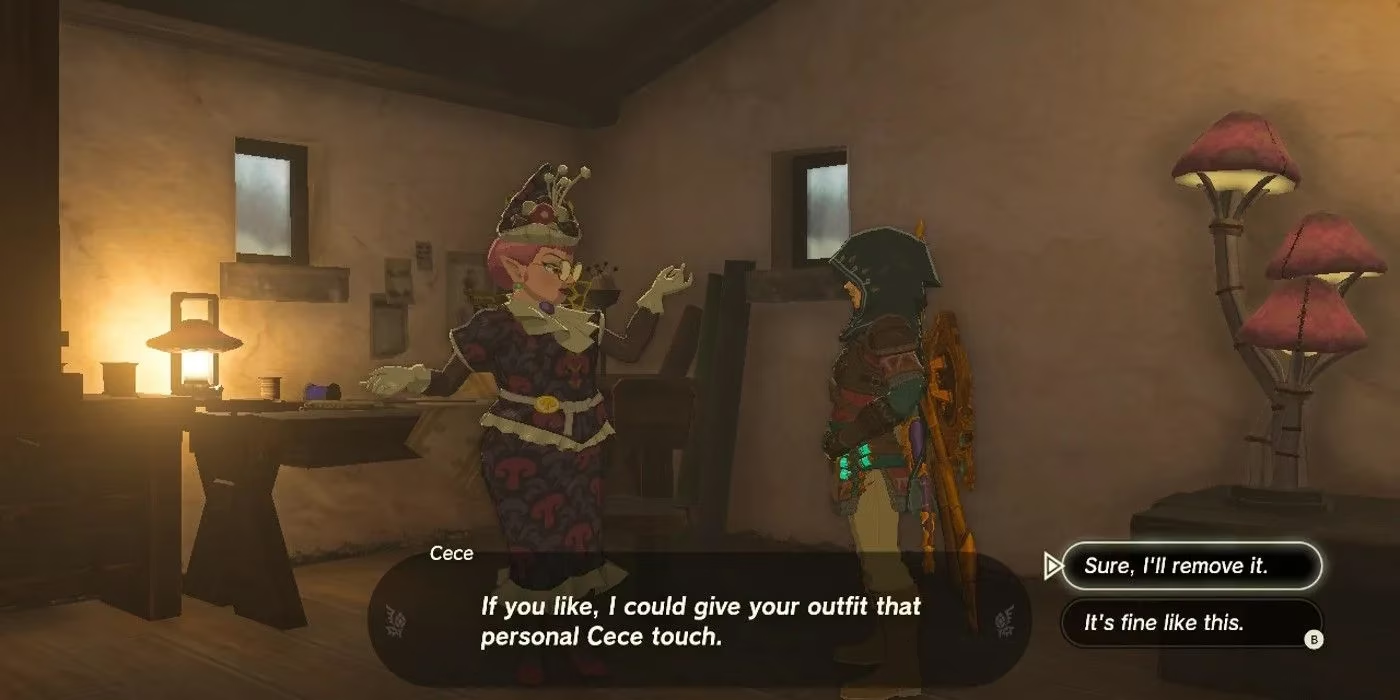
At first glance, the ability to lower the Hylian Hood is a charming customization option. It stops Link’s face from being half-obscured in cutscenes, which appeals to players who want the hood’s defensive benefits without hiding Link. However, unlocking that style is not as simple as opening a menu. A player must first complete The Mayoral Election side adventure in Hateno Village, a quest chain that is essentially its own mini-campaign. After that, every single time they want to switch the hood up or down, they must travel to Cece and ask her directly.
Why isn’t there a simple toggle in the inventory? That question has followed this feature since 2023, and it remains a fair one in 2026. A small change ends up feeling like a repeated errand rather than player expression.
The Little Interactions That Eat the Clock
Players might accept one slow interaction, but TOTK repeats the pattern across many systems. Some of the most common time-wasters include:
-
Beedle’s shop: lengthy dialogue before every transaction, even when Link only wants to sell a few items or restock arrows.
-
Great Fairy upgrades: repeated cutscenes and the same advice every single time.
-
Kochi Dye Shop: another repeated animation for every color change.
-
Cooking: no full recipe browsing and no batch cooking.
-
Arrow fusing: cluttered inventory can make finding the right material a slow process.
Visiting Beedle means sitting through plenty of extraneous dialogue before a transaction can begin. If Link only wants to sell a few bokoblin horns or buy arrows, the conversation can take longer than the actual buying and selling. The flavor is amusing once or twice, but not on the fortieth stop at a stable.
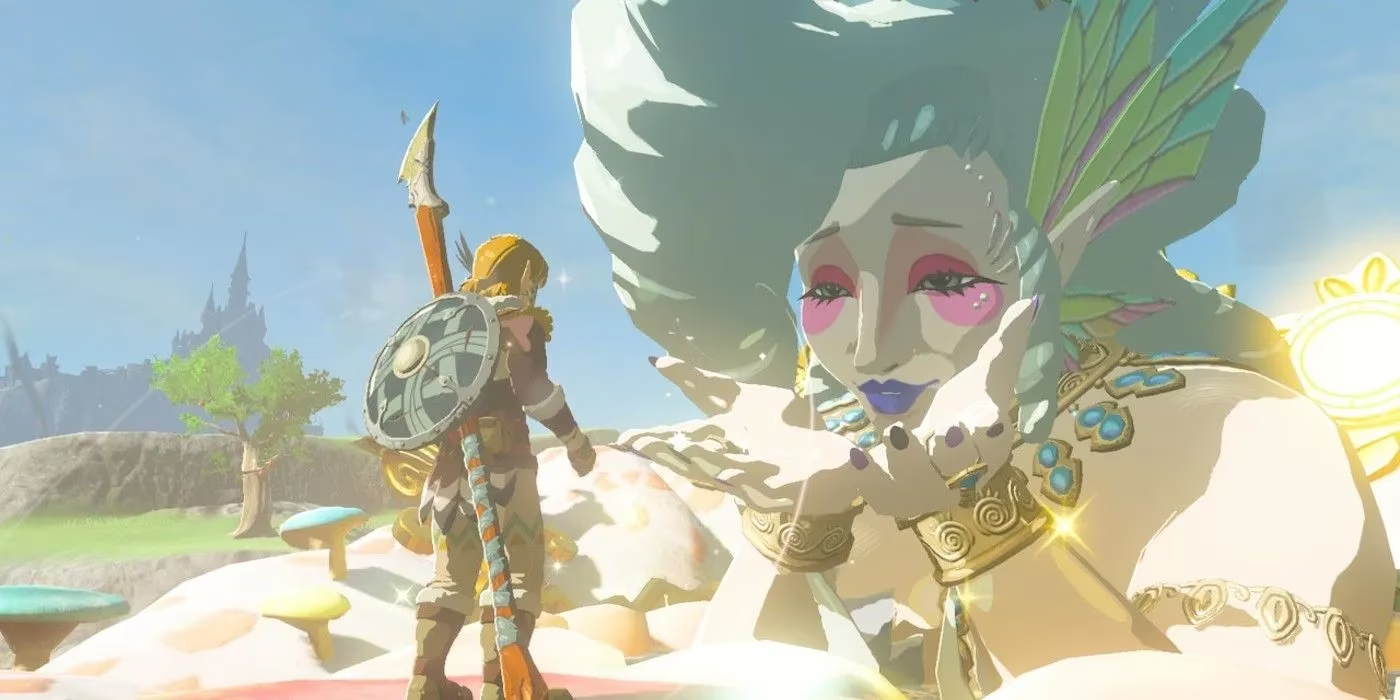
Armor upgrades present another offender. Every Great Fairy upgrade is paired with a cutscene and repeated tips, as though the player has never seen it before. The same goes for dyeing armor at the Kochi Dye Shop. Even though those scenes can be skipped, the extra loading, prompts, and repeated animations add up. Players who like regularly changing Link’s style will notice this especially.
Cooking and Inventory Friction
Cooking also oscillates between helpful and maddening. The recipe book can show what Link can cook with a given item, and it can autofill ingredients—provided the player first finds one ingredient in the inventory. But there is no way to simply open the full recipe list and pick a dish to prepare. Why can a player browse the whole book when examining a meal, but not when standing at the cooking pot? It is a strange gap.
On top of that, every meal must be cooked one at a time. If someone wants ten servings of the same dish before a boss fight, they must repeat the same menu dance ten times. That is not challenge; it is inventory busywork.
Combat is not immune either. Fusing materials to arrows pauses time, but if Link is carrying dozens of monster parts, locating the perfect item can still take a while. Rarely used materials may not rise to the top of any filter, forcing the player to scroll through a long list mid-fight. At least the menu remembers the last choice for repeated shots, but the first hunt can still break the rhythm.
A Great Game With Recurring Rough Edges
None of this means TOTK is a bad game. Far from it. The world is gorgeous, the abilities are inventive, and the sense of discovery is often unmatched. But repeated friction around customization, shopping, upgrading, cooking, and fusing shows that bigger does not always mean smoother.
In many ways, the Hylian Hood is the perfect symbol: a small, beloved option buried behind extra steps. If the game trusted players with a simple toggle, it would remove a recurring annoyance. For every player who has sighed at another fairy cutscene or mashed through Beedle’s dialogue, that trust would be a welcome change.
Comments