Tears of the Kingdom Wells: A Post-Game Completionist Guide
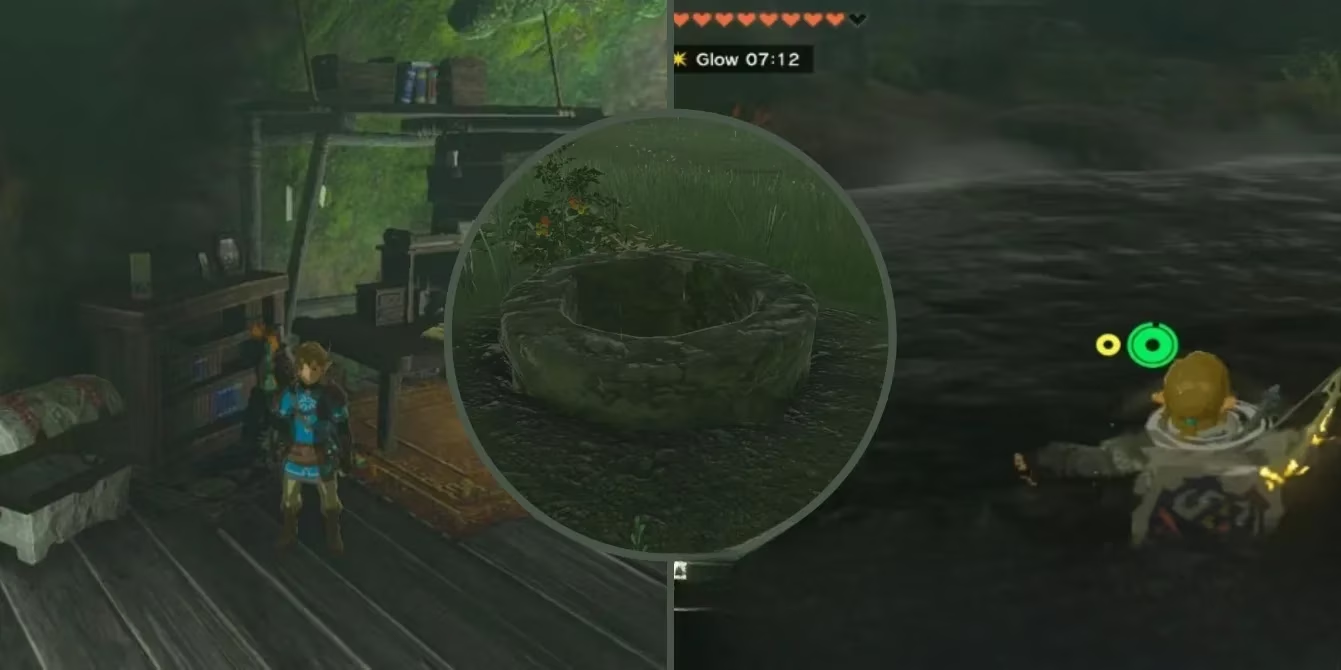
Even in 2026, years after its release, The Legend of Zelda: Tears of the Kingdom remains a game that rewards curiosity long after the final battle. Hyrule is dense with shrines, caves, sky islands, and depths, but one of the most easily overlooked post-game activities is also one of the most satisfying: finding every well. Players who have already defeated the Demon King may wonder what is left to do. Why chase holes in the ground when there are armor sets to upgrade and monsters to hunt? The answer lies in a quiet side quest, a sprawling map, and a completionist itch that refuses to fade.
A Post-Game Pursuit With a Purpose
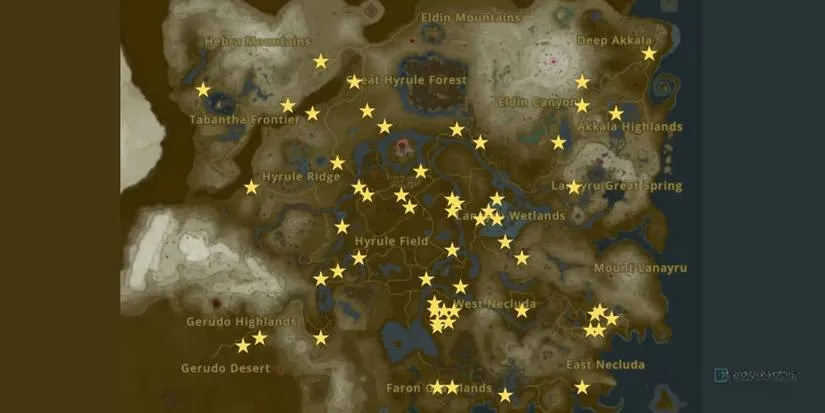
The well hunt begins at Tabantha Bridge Stable, where a side quest called Where Are the Wells? sends Link across Hyrule to locate every well and report back. It is a simple premise, but it turns the entire kingdom into a treasure map. There are 58 wells in total, and each one is marked with a star on the community map that players often use to track their progress. That number is large enough to feel like a genuine expedition, yet small enough to be manageable with a good checklist.
The Quest That Starts It All
The quest giver at Tabantha Bridge Stable does not ask for heroics. There is no boss to defeat, no shrine to solve, and no gloom to cleanse. Instead, the task is about observation. Wells are tucked into settlements, hidden behind rocks, sunk into fields, and placed near ruins that players may have passed a dozen times. The quest formalizes what the game already encourages: look closer. It also gives players a reason to revisit regions they may have rushed through during the main story. After all, what better way to appreciate Hyrule than by peering into its quiet corners?
How the Wells Are Spread Across Hyrule
The wells are distributed across the entire map, from the cold reaches of Hebra to the sandy expanse of Gerudo, and from the wet forests of Faron to the rocky slopes of Eldin. Some sit in plain sight near stables and villages. Others are concealed by terrain, vegetation, or the assumption that a particular spot has nothing left to offer. The map image above shows the scale of the task: stars dot every region, creating a constellation of small destinations. For players who prefer structure, the wells can be grouped by region and cleared in a loop. For players who prefer spontaneity, the map can be used as a loose guide while wandering.
| Region type | What to expect | Why it is worth a visit |
|---|---|---|
| Settlements and stables | Wells near NPCs and travel points | Easy to find and useful for quick travel loops |
| Wilderness | Wells hidden by trees, cliffs, or ruins | Encourages paraglider exploration and scanning |
| Extreme climates | Wells in Hebra, Gerudo, and Eldin | Tests preparation and rewards regional familiarity |
| Central Hyrule | Wells close to roads and fields | Ideal for a dense, efficient completion route |
Why Wells Matter Beyond Completion
It would be easy to dismiss the wells as a checklist, but they serve a larger purpose. They pull players back into the world after the credits roll. They create natural waypoints for hunting Koroks, gathering materials, and testing Zonai devices. They also add texture to Hyrule by suggesting that ordinary life continues beyond the main conflict. A well is not a dungeon, but it is a sign of civilization, memory, and routine. In a game about rebuilding and exploration, that matters. Does every well contain a grand reward? No. Does every well need to? Not at all. The reward is the route itself: the detours, the views, and the small discoveries that happen between stars on a map.
Practical Tips for a Well-Hunting Tour
-
🗺️ Use the star-marked map as a progress tracker, but do not rely on it blindly. Terrain can make a well harder to spot than the map suggests.
-
🛡️ Stock up on climate-resistant armor and meals before sweeping Hebra, Gerudo, and Eldin.
-
🪂 Approach suspected wells from the air. A paraglider pass often reveals openings that are invisible from ground level.
-
📋 Clear one region at a time. A regional loop keeps the hunt from becoming a scattered grind.
-
🧭 Combine the well hunt with other post-game goals. Shrine cleanup, cave exploration, and monster hunting fit naturally into the same routes.
A Completionist's Reward
The final well does not trigger a second ending or transform the game. The reward is quieter: a finished quest, a fuller map, and a stronger sense of familiarity with Hyrule. For completionists, that is enough. For everyone else, the well hunt is a reminder that Tears of the Kingdom hides some of its best content in plain sight. So why not take the quest, open the map, and see how many stars can be cleared before curiosity finally runs out? After all, in a kingdom built on secrets, even a humble well can lead somewhere worth remembering.
Comments